
By Dr Abdulrazzaq Hashim Al Oujaili – الدكتور عبدالرزاق العجيلي
1. Introduction, Historical Background, and Biological Context
In recent decades, human pathology has undergone a radical shift. Epidemics of infectious diseases have largely receded, giving way to a global surge in chronic, non-communicable conditions such as type 2 diabetes, cardiovascular disease, cancer, and osteoporosis. In the search for the deep-seated roots of these metabolic disorders, the theory of “acid-base balance” has emerged as a cornerstone of functional medicine, preventive clinical practice, and therapeutic nutrition for long-term health sustainability.
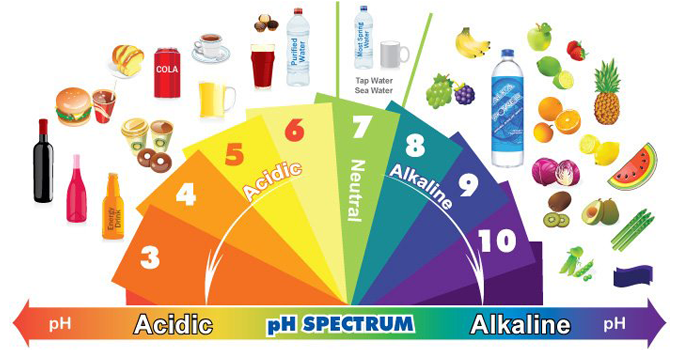
Initial understanding of this physiological equilibrium dates back to the late 19th and early 20th centuries, rooted in the foundational work of scientists like Claude Bernard and Otto Warburg. Warburg, who won the Nobel Prize, famously linked highly acidic microenvironments to cellular dysfunction and optimal cancer cell proliferation. Biologically, this theory relies on the Potential of Hydrogen (\(\text{pH}\)) scale—a logarithmic measurement of hydrogen ion concentration in solution. The scale spans from \(0\) (strongly acidic) to \(14\) (strongly alkaline), with \(7\) representing chemical neutrality.
The human body does not feature a single, uniform \(\text{pH}\) value. The stomach requires a highly acidic environment (\(\text{pH}\) ranging from \(1.5\) to \(3.5\)) to denature proteins and eliminate ingested pathogens, whereas the small intestine demands an alkaline milieu (\(\text{pH}\) around \(8.0\)) to optimize nutrient absorption. However, when science discusses systemic “body balance,” it refers specifically to the blood and extracellular fluids. Arterial blood \(\text{pH}\) is tightly regulated within a narrow physiological window of \(7.35\) to \(7.45\), rendering it slightly alkaline. Any deviation below \(7.35\) or above \(7.45\) constitutes an acute, life-threatening medical emergency (medical acidosis or alkalosis) requiring immediate intensive care intervention to avoid systemic collapse.
In the context of lifestyle medicine and sustainable wellness, the focus is not on acute clinical acidosis, but on a condition termed “chronic low-grade metabolic acidosis” (also known as diet-induced metabolic acidosis). In this state, systemic \(\text{pH}\) values remain technically within the normal range but drift chronically toward the lower permissible boundary (\(7.35\)). Driven primarily by modern dietary patterns and psychological stressors, this subtle shift subjects vital organs to continuous homeostatic strain, causing gradual, systemic tissue degradation over time
2. The Biophysiology of Homeostatic Regulation Mechanisms
The continuous production of volatile and non-volatile acids is an unavoidable byproduct of cellular respiration and metabolism. The oxidation of carbohydrates and lipids generates carbon dioxide, while the catabolism of proteins yields sulfuric and phosphoric acids. To prevent this constant acid influx from disrupting cellular operations, the human body deploys a sophisticated, multi-tiered network of chemical and physiological buffer lines that operate continuously
First Line of Defense: Immediate Chemical Buffer Systems
These chemical systems react within milliseconds to neutralize sudden fluctuations in hydrogen ion concentrations throughout extracellular and intracellular fluids:
- The Bicarbonate/Carbonic Acid System (\(\text{NaHCO}_3 / \text{H}_2\text{CO}_3\)): This is the primary buffering mechanism in extracellular fluid. When a strong metabolic acid enters the bloodstream, bicarbonate ions react with it to yield a weaker acid (carbonic acid), which subsequently dissociates into water and carbon dioxide to be safely expelled.
- The Phosphate Buffer System: Operating primarily within intracellular environments and renal tubules, this system relies on monohydrogen and dihydrogen phosphate ions to stabilize environments where phosphate concentrations are naturally dense.
- Protein Buffers (e.g., Albumin and Hemoglobin): Proteins feature specialized chemical groups capable of accepting or donating hydrogen ions depending on the ambient \(\text{pH}\), serving as immediate molecular shields against shifts in acidity
Second Line of Defense: Pulmonary Regulation
This system triggers within minutes to counter volatile acid accumulation. When metabolic acid levels rise, chemoreceptors in the brain detect the shift and stimulate increased respiratory rate and depth (hyperventilation). This accelerates the exhalation of carbon dioxide (an open-system gas acid), driving blood \(\text{pH}\) back up to optimal levels. Conversely, if the system becomes too alkaline, respiration slows to retain \(\text{CO}_{2}\) and lower the PH.
Third Line of Defense: Renal Regulation
While the kidneys require hours to days to orchestrate a measurable shift, they represent the most robust and definitive homeostatic defense system. The kidneys actively filter and excrete excess hydrogen ions in urine while synthesizing and reabsorbing fresh bicarbonate ions to replenish the bloodstream’s alkaline reserve. When a modern diet fails to supply adequate alkaline mineral precursors, the burden falls heavily on renal tissues. As individuals age, a natural decline in nephron efficiency accelerates the onset and severity of chronic low-grade metabolic acidosis.
3. Impact of Chronic Acid-Base Imbalances on Organ Systems
When dietary habits force the body into continuous self-reliance to neutralize metabolic acids, vital internal mineral reserves are systematically depleted. This compensation mechanism results in structural and functional damage across several systems:
A. Skeletal Demineralization and Bone Loss
The skeleton is not a static scaffold; it is the body’s largest reservoir of alkaline minerals, including calcium, magnesium, and phosphorus. Faced with persistent metabolic acid stress and a lack of dietary alkaline precursors, the blood preserves its strict physiological \(\text{pH}\) by drawing alkaline salts directly out of bone tissue. This continuous resorption activates osteoclasts and blunts osteoblast activity. Over decades, this silent extraction degrades bone mineral density, serving as a primary driver of osteoporosis and rendering the skeletal frame highly susceptible to fractures.
B. Myofibrillar Atrophy and Muscle Wasting
To optimize acid excretion, the kidneys require a steady supply of ammonia (\(\text{NH}_{4}^{+}\)). The body obtains this substrate by accelerating the breakdown of amino acids—particularly glutamine—sourced directly from skeletal muscle tissue. Chronic low-grade metabolic acidosis stimulates ubiquitin-proteasome proteolytic pathways within muscle cells. This process induces progressive muscle wasting, decreases physical strength, and accelerates age-related sarcopenia. [1, 2, 3]
C. Renal Strain and Nephrolithiasis (Kidney Stones)
Filtering persistently acidic urine places immense strain on kidney tissues. A low urinary \(\text{pH}\) drastically reduces the solubility of specific metabolic byproducts, prompting uric acid and calcium oxalate to crystallize out of solution. This crystallization leads to recurrent kidney stone formation. Over time, the localized oxidative stress and physical obstruction can impair glomerular filtration, accelerating chronic kidney disease (CKD).
D. Cardiovascular Stress and Vascular Endothelial Dysfunction
An acidic systemic microenvironment alters vascular smooth muscle tone and triggers endothelial cell injury. Acidosis stimulates the release of vasoconstrictive mediators, contributing to arterial hypertension. Furthermore, when calcium salts are continually mobilized from bones into the bloodstream to act as chemical buffers, the risk of ectopic calcification rises. This deposition of calcium within arterial walls promotes atherosclerosis, increasing the long-term risk of myocardial infarction and stroke.
4. The Pathological Intersection of Acidity, Inflammation, and Chronic Disease
Systemic acid-base imbalances alter the cellular microenvironment, dictating whether tissue remains healthy or shifts toward chronic degeneration. Chronic low-grade metabolic acidosis acts as a systemic primer for multiple diseases through distinct molecular pathways:
Systemic Low-Grade Inflammation
Advanced biochemical assays demonstrate that a lower extracellular \(\text{pH}\) triggers macrophages and other immune cells to upregulate the expression of pro-inflammatory cytokines, including Tumor Necrosis Factor-alpha (\(\text{TNF}-\alpha\)) and Interleukin-6 (\(\text{IL}-6\)). This continuous, subclinical inflammatory state slowly degrades articular cartilage, leading to osteoarthritis, while damaging pancreatic beta cells and vascular linings.
Metabolic Syndrome and Insulin Resistance
An acidic microenvironment alters the spatial conformation of insulin receptors on cell membranes, impairing their binding affinity. When peripheral cells fail to respond efficiently to insulin due to this ambient chemical interference, blood glucose levels rise. The pancreas compensates by producing more insulin, trapping the individual in a cycle of hyperinsulinemia, insulin resistance, type 2 diabetes, and visceral adiposity.
Malignant Microenvironments (The Modern Warburg Perspective)
Otto Warburg established that neoplastic cells rely heavily on anaerobic glycolysis for energy production, even when oxygen is abundant. This metabolic pathway produces significant amounts of lactic acid, which cancer cells pump into the extracellular space. The resulting acidic halo surrounding tumors serves as a protective shield, paralyzing tumor-infiltrating lymphocytes (such as cytotoxic T cells) and allowing the malignancy to evade immune surveillance. Additionally, this localized acidity degrades the extracellular matrix, promoting angiogenesis and tumor metastasis. While consuming alkaline foods cannot alter blood \(\text{pH}\) to destroy a tumor directly, an alkaline-forming lifestyle reduces the systemic metabolic burden, helping to prevent the cellular conditions that facilitate cancer progression.
Mitochondrial Dysfunction and Accelerated Cellular Aging
Mitochondria generate adenosine triphosphate (\(\text{ATP}\)) by maintaining a strict electrochemical proton gradient across their inner membranes. An overabundance of cytosolic hydrogen ions disrupts this delicate gradient, stalling energy production and increasing the generation of Reactive Oxygen Species (\(\text{ROS}\)). These free radicals oxidize cellular lipid bilayers and damage nuclear \(\text{DNA}\), accelerating premature cellular senescence and apoptosis
5.Nutritional Classification: The Potential Renal Acid Load (PRAL) Index
A common misconception is classifying food based on its pre-ingested taste or native chemical state. For example, lemons, limes, and oranges are citrus fruits containing citric acid, leading many to assume they increase body acidity. However, once consumed, these organic acids are completely oxidized into carbon dioxide and water through metabolic pathways, leaving behind alkaline mineral residues like potassium and magnesium. These residues yield bicarbonate ions that neutralize metabolic acids.
To standardize this effect, researchers Thomas Remer and Friedrich Manz developed the Potential Renal Acid Load (PRAL) index. This mathematical model estimates the net quantity of acid or base equivalents delivered to the kidneys per 100 grams of any specific food item.

This formula indicates that protein and phosphorus intake drive acid production, whereas potassium, magnesium, and calcium act as potent alkalizing agents. Foods are classified into three distinct categories based on their PRAL values.
Acid-Forming Foods (Positive PRAL): These include processed and hard cheeses (\(+15\) to \(+30\)), red meat and poultry (\(+7\) to \(+12\)), seafood (\(+8\) to \(+11\)), whole eggs (\(+8\)), and refined wheat flour (\(+3\) to \(+5\)). Their acid-forming nature stems from high concentrations of phosphorus and sulfur-containing amino acids like methionine and cysteine. [1, 2, 3]
Neutral/Low-Impact Foods (PRAL near Zero): These include extra virgin olive oil, grass-fed butter, and pure fats that lack substantial protein or mineral substrates. [1]
Alkaline-Forming Foods (Highly Negative PRAL): This category includes raisins (reaching down to \(-21\)), raw spinach (approximately \(-14\)), celery, kale, leafy greens, bananas, lemons, and tomatoes. These foods are dense in potassium, magnesium, and organic anions that convert into systemic bicarbonate reserves
6. The Non-Dietary Drivers of Systemic Biochemic Equilibrium
While nutrition is a primary factor, several lifestyle habits also directly modulate the body’s acid-base balance by altering internal physiology:
Psychological Distress and Chronic Stress
Prolonged psychological stress triggers the continuous release of cortisol and adrenaline. These hormones elevate metabolic rates and acid production while altering renal hemodynamics, causing the kidneys to retain hydrogen ions and excrete bicarbonate. Furthermore, stressed individuals often rely on shallow chest breathing, which reduces the elimination of volatile carbon dioxide and induces a mild respiratory contribution to metabolic acid retention.
Physical Activity: The Line Between Exercise and Acid Stress
- Moderate Aerobic Exercise: Activities like brisk walking, swimming, and cycling enhance cardiovascular circulation, expand pulmonary capacity, and increase the exhalation of volatile carbon dioxide. This activity also boosts renal blood flow, supporting efficient acid excretion.
- Intense Anaerobic Over-exertion: High-intensity interval training or heavy weightlifting without adequate recovery deprives muscle tissues of oxygen, forcing reliance on anaerobic glycolysis. This pathway produces significant amounts of lactic acid. Without proper hydration and rest, this accumulation increases the systemic acid load, leading to muscle fatigue and oxidative stress.
Chronic Dehydration and Low Fluid Intake
Water is the primary medium for biochemical reactions and the transport vehicle used by the kidneys to flush non-volatile acids from the body. Insufficient fluid intake concentrates the urine and prompts the kidneys to slow down hydrogen ion filtration to conserve water, causing metabolic acids to accumulate within peripheral tissues
7. Clinical Protocols for a Sustainable Alkaline-Forming Lifestyle
To translate these biochemical concepts into everyday practice, individuals can adopt several evidence-based lifestyle changes to mitigate chronic low-grade metabolic acidosis:
1. Implementing the 80/20 Dietary Balance Rule
Achieving long-term metabolic health does not require removing all acid-forming foods, as protein is necessary for lean mass maintenance and structural integrity. Instead, focus on a proportional balance:
- 80% of Daily Dietary Volume: Composed of alkaline-forming options, including leafy green vegetables, cruciferous options, root vegetables, fresh fruits, nuts like almonds, and structural herbs.
- 20% of Daily Dietary Volume: Allocated to nutrient-dense, acid-forming foods, such as clean proteins, wild-caught fish, pastured eggs, and intact whole grains.
- Example: When consuming a 150-gram filet of wild salmon (an acid-forming protein), fill the rest of the plate with a large mixed leafy green salad and steamed broccoli to provide the mineral equivalents required to neutralize the post-digestive acid load.
2. Intelligent Alkaline Hydration
- Consume a minimum of 2.5 to 3.0 liters of filtered water daily to maintain renal clearance.
- Infuse drinking water with fresh lemon slices, cucumber, or mint leaves. Adding a tiny pinch of unrefined gray celtic sea salt or pink Himalayan salt introduces essential alkaline trace minerals that support the hydration status of extracellular fluids.
3. Structured Diaphragmatic Breathwork
Dedicate 5 to 10 minutes twice daily to deep diaphragmatic breathing. Inhale slowly through the nose to expand the abdomen, hold the breath briefly, and exhale slowly through the mouth. This technique maximizes the clearance of accumulated carbonic acid while shifting the autonomic nervous system away from sympathetic dominance, lowering stress-induced cortisol production.
4. Nutrient-Preserving Culinary Techniques
Alkaline minerals like potassium and magnesium are highly water-soluble. Boiling vegetables in large pots of water and discarding the liquid removes these alkaline minerals, leaving behind mostly inert fiber. Preferable preparation methods include:
- Steaming vegetables to preserve their mineral architecture.
- Sautéing lightly using heat-stable, health-supportive fats like unrefined coconut oil or grass-fed ghee.
- Utilizing clean vegetable broths to retain all minerals dissolved during the cooking process.
5. Prioritizing Deep Sleep and Circadian Recovery
The body’s primary systems for clearing metabolic waste and cellular acids—including glymphatic clearance networks—are most active during deep sleep cycles (typically between 10:00 PM and 4:00 AM). Consistent, restorative sleep lowers systemic inflammatory markers and supports an anabolic state that helps mitigate tissue acidity
8. The Most Popular Alkaline-Forming Foods
First: Algae – Alkalization and Detoxification Factories
Algae (such as Spirulina and Chlorella) are living organisms that grow in fresh or salt water, and they possess highly critical properties for sustainable health:
- Super Alkaline Effect: Algae contain the highest concentration of chlorophyll found in nature. This heavy concentration grants them a superior ability to neutralize metabolic acids generated by meat and processed foods, yielding a significantly negative Potential Renal Acid Load (PRAL) index.
- Toxin and Heavy Metal Magnet: Chlorella is uniquely characterized by its ability to bind to toxic heavy metals within the body (such as mercury, lead, and arsenic) and flush them out. This process is vital to ease the filtration burden placed on the kidneys and liver.
- Kidney-Friendly Complete Protein: Spirulina delivers an easily absorbable plant-based protein containing all essential amino acids. Its major clinical advantage is that it does not leave behind heavy, sulfur-containing acid structural byproducts like animal proteins do, thereby protecting bones and lean muscle mass.
Second: Medicinal Mushrooms – Cellular Environment Regulators
Medicinal mushrooms (such as Reishi, Lion’s Mane, and Cordyceps) are not classified as standard foods; rather, they are recognized in functional medicine as “Adaptogens”:
- Stress Response Regulation: As previously detailed in the acid-base balance study, psychological stress triggers cortisol release, which increases systemic acidity. These mushrooms (especially Reishi) help balance the nervous system and lower cortisol, preventing stress-induced acidosis.
- Smart Immune Support: Mushrooms contain Beta-Glucans, which are complex polysaccharides that do not spike blood sugar levels. Instead, they act as “trainers” for immune cells (such as Natural Killer cells), making them more efficient at clearing damaged or abnormal cells that typically thrive in acidic tissue environments.
- Mitochondrial Protection and Energy Production: Cordyceps is famous for its ability to improve cellular oxygen utilization efficiency and stimulate the synthesis of energy molecules (ATP) inside the mitochondria. This action prevents cells from reverting to anaerobic fermentation, which produces tissue-acidifying lactic acid.
How to Safely Integrate Them into Your Daily Routine
- Algae Powder: Add one teaspoon of Spirulina or Chlorella powder into your morning green juice (such as a blend of lemon, cucumber, and celery) to secure a highly concentrated, alkaline-forming dose.
- Mushroom Coffee or Extracts: Mushroom-infused coffees enriched with Reishi or Lion’s Mane are excellent alternatives to commercial coffees. They supply steady cognitive energy without causing the systemic dehydration or the acid-forming footprint associated with excessive traditional coffee intake.
9. Conclusion, Clinical Outcomes, and Future Recommendations
The maintenance of an appropriate acid-base balance is a fundamental biological requirement that directly influences enzymatic and cellular efficiency throughout the body. Prioritizing an lifestyle that supports this equilibrium is central to preventive, long-term health management.
Primary Key Findings:
- The human body regulates arterial blood \(\text{pH}\) within a strict window (\(7.35 – 7.45\)) by drawing on internal buffering mechanisms when dietary alkaline precursors are insufficient.
- Diet-induced, chronic low-grade metabolic acidosis—driven by excessive refined sugars, processed meats, and persistent psychological stress—depletes bone minerals, degrades muscle mass, and promotes systemic inflammation, creating a vulnerable microenvironment for chronic illness.
- Nutritional classification should be guided by a food’s post-metabolic mineral residue and its Potential Renal Acid Load (PRAL) score, rather than its initial taste.
Recommendations for Clinical Practice and Daily Life:
- For the Individual: Restructure daily meals to prioritize green vegetables and plant-based mineral sources, treating heavy proteins and starches as small components. Complement this nutritional shift with regular hydration, mindful breathing, and adequate sleep.
- For the Medical and Scientific Community: Incorporate comprehensive 24-hour urinary \(\text{pH}\) monitoring, fractional net acid excretion evaluations, and baseline serum bicarbonate tests into routine clinical checkups. Developing targeted, alkaline-forming nutritional strategies alongside conventional medical treatments can help improve therapeutic outcomes for patients managing chronic metabolic diseases.
Dr . Abdulrazzaq Aloujaili


 English
  العربية