
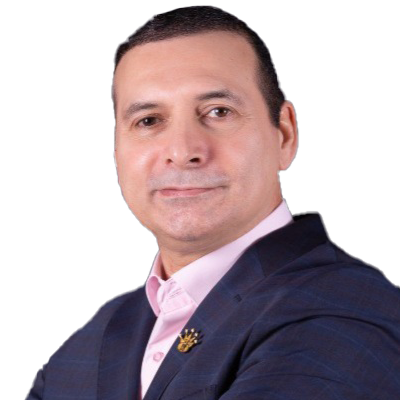
Dr. Abdulrazzaq Al-Oujaili
Introduction and Entry into the Biology of Regeneration
Modern humans live in an environment saturated with chemical and physical influences unlike anything humanity has known before — from environmental pollutants, to processed foods, to chronic psychological stress. Together, these factors lead to the accumulation of “metabolic waste” and toxins within the cellular environment. For a long time, it was believed that cellular decline was a one-way path toward aging and disease. However, recent scientific breakthroughs in cell biology have proven that the human body possesses a complex, highly intelligent network for self-cleaning and rebuilding, scientifically known as Cellular Cleansing and Regeneration. Understanding and activating these mechanisms is not merely a health luxury — it is the fundamental guarantee for preventing chronic disease, delaying aging, and restoring innate Vitality. This in-depth study examines the scientific origins, biological pathways, and evidence-based practical strategies for cellular cleansing and regeneration.
1. Biological Pathways of Cellular Cleansing
Cellular cleansing, in the scientific sense, does not mean using commercial “detox” drinks — it refers to precise biological processes occurring at the organelle level within the cell.
First: Autophagy — The Cell’s Smart Broom
The mechanism of autophagy is considered the cornerstone of cellular purification. Japanese scientist Yoshinori Ohsumi won the Nobel Prize in Medicine in 2016 for discovering the mechanisms of this process.
Mechanistic definition: A self-degradation process the cell performs to eliminate damaged or aged components (such as dysfunctional mitochondria and misfolded proteins) in order to recycle them for energy production or the construction of new components.
Biological stages:
- Initiation: When the cell is exposed to stress (nutrient deficiency), a protein complex called ULK1 is activated.
- Vesicle Elongation: A double membrane known as the phagophore forms, surrounding the cellular waste.
- Fusion: This membrane fuses with the “lysosome,” which contains acidic digestive enzymes.
- Degradation: Enzymes break the waste down into its basic components (amino acids, fatty acids), which are then pumped back into the cytoplasm for reuse.
Second: The Ubiquitin-Proteasome System (UPS)
While autophagy handles large bodies and organelles, the UPS deals with individual defective proteins with extreme precision:
- Ubiquitin tagging: A small protein called “ubiquitin” is attached to the damaged protein as an execution signal.
- Shredding inside the proteasome: The tagged protein is directed to a cylindrical enzyme complex called the “proteasome,” where it is chemically broken down.
Third: Elimination of Senescent Cells (Senolysis)
With age, some cells enter a “senescent” state — they remain in the tissue without dividing or dying, and secrete harmful inflammatory substances known as SASP (Senescence-Associated Secretory Phenotype). Destroying these cells or inducing programmed cell death (apoptosis) in them is a fundamental part of the body’s overall purification process.
2. The Physiology of Regeneration and Stem Cell Activation
After cellular debris is removed through the cleansing pathways, the “charging and building” phase begins — regeneration. This phase depends on stimulating stem cells and improving mitochondrial efficiency.
Stem Cells and Tissue Regeneration
Stem cells are unspecialized cells capable of infinite division and differentiation into specialized cells to repair damaged tissue.
- Adult stem cells: Found in specific reserves in the body (such as bone marrow, liver, and skin).
- Activation mechanism: When chemical signals resulting from cellular cleansing occur, these cells exit their dormant state (quiescence) and become active to replace dead cells in vital organs such as the intestines, liver, and skin.
Mitochondria: Energy Generation and Building New Cells
Tissue regeneration cannot occur without energy (ATP). Mitochondria are the energy factories, and their renewal happens through two parallel mechanisms:
- Mitophagy: The selective elimination of inefficient mitochondria that produce high amounts of free radicals (ROS).
- Mitochondrial Biogenesis: The construction of new, more efficient mitochondria — a process controlled by the master genetic switch PGC-1α.
3. Genetic Pathways Controlling Cleansing and Charging
mTOR Pathway (The Abundance and Building Sensor)
- Nature: A protein that acts as a “central sensor” for nutrient and energy abundance within the cell.
- Activation triggers: Strongly activated by high carbohydrate intake, sugars, and amino acids (especially the amino acid leucine found in animal protein).
- Effect on cleansing: When mTOR is active, it completely shuts down the cell’s “broom” (autophagy), because the cell is in a continuous building and growth phase.
- Effect on charging: Its suppression (during fasting) signals the start of deep cleansing and renewal of senescent cells.
AMPK Pathway (The Energy-Poverty and Cleansing Sensor)
- Nature: An enzyme that represents the cell’s “fuel and battery gauge.”
- Activation triggers: Activated when cellular energy (ATP) drops, which happens directly during fasting or intense exercise.
- Effect on cleansing: The primary key for triggering autophagy — it sends chemical signals forcing the cell to break down waste and damaged proteins, converting them into energy.
- Effect on charging: Stimulates burning of stored fat, prevents production of harmful cholesterol, and prepares the cell to build new, more efficient mitochondria.
Sirtuins Gene Family (Longevity and Repair Genes)
- Nature: A family of 7 proteins (SIRT1–SIRT7) that control gene expression and protect DNA.
- Activation triggers: These genes require an energy molecule called NAD+ to function, which rises sharply with caloric restriction, fasting, and exposure to benign stress (such as cold or heat).
- Effect on cleansing: Help clean the cell by activating mechanisms that remove toxic buildup around the nucleus and in the cytoplasm.
- Effect on charging: Repair DNA damage, reduce cellular inflammation, and stimulate the production of young, strong mitochondria.
Nrf2 Pathway (The Defense and Antioxidant Switch)
- Nature: A protein that acts as the general commander of the body’s internal defense system against cellular toxicity.
- Activation triggers: Activated by mild oxidative stress, or by consuming certain plant compounds such as sulforaphane (found in broccoli).
- Effect on cleansing: Stimulates liver and body cells to produce powerful antioxidants (such as glutathione), cleansing the cell of free radicals and heavy metals.
- Effect on charging: Protects the cell membrane and mitochondria from destruction, ensuring the cell continues producing energy without deterioration.
4. Negative Environmental and Behavioral Factors (Obstacles to Vitality)
Before starting regeneration strategies, it’s important to identify the factors causing ongoing “cellular toxicity”:
- Oxidative Stress: Results from an imbalance between free radicals and antioxidants, damaging the cell membrane and DNA.
- Advanced Glycation End-products (AGEs): The binding of sugar to proteins and fats in the blood, causing “hardening” of cellular tissue and disrupting enzyme function.
- Chronic Low-Grade Inflammation (Metainflammation): Caused by visceral obesity and fast food, sending continuous signals that prevent cells from entering repair and cleansing mode.
5. Scientifically Proven Practical Strategies to Activate Cleansing and Regeneration
To translate these complex biological mechanisms into daily practices, four core pillars are relied upon, supported by clinical evidence.
Pillar One: Fasting and Time Manipulation (Nutrient Sensing Modulation)
Fasting is by far the most powerful tool for suppressing the mTOR pathway and activating AMPK, triggering autophagy.
- Intermittent Fasting: Patterns such as 16:8 or 20:4. Mild autophagy begins after 14–16 hours without food, reaching its peak with longer fasting periods.
- Fast-Mimicking Diet (FMD): A protocol developed by scientist Valter Longo, based on severe caloric restriction for 5 consecutive days (800–1100 plant-based calories). Studies have shown this diet causes a regression in the size of senescent organs during fasting, followed by a “burst” of stem cell production and organ regeneration upon refeeding.
Pillar Two: Therapeutic Nutrition and Cellular Nutraceuticals
Cells need specific phytochemicals to stimulate cleansing pathways and support the liver and detoxification organs.
1. Autophagy Inducers and Anti-Aging Compounds
- Polyphenols: Such as resveratrol (found in dark grape skins) and quercetin (in red onions and apples). These act as sirtuin activators.
- Sulforaphane: Abundant in broccoli sprouts and cruciferous vegetables. It is the most powerful activator of the Nrf2 pathway, the genetic switch responsible for producing internal antioxidants such as glutathione.
- Curcumin: The active compound in turmeric, directly suppressing cellular inflammation by inhibiting the NF-kB complex.
2. Supporting Liver Efficiency (Phase I & Phase II Detoxification) The liver converts fat-soluble toxins into water-soluble substances for elimination. This requires:
- Sulfur-containing amino acids (methionine and cysteine), found in eggs and garlic.
- Methylfolate and B vitamins, to ensure proper “methylation,” responsible for neutralizing toxins and heavy metals.
Pillar Three: Adaptive Benign Stress (Hormesis)
Hormesis is a scientific concept meaning: “Exposure to low, temporary doses of stress leads to a positive adaptive response that makes the cell stronger.”
- High-Intensity Interval Training (HIIT): Leads to rapid ATP consumption and a strong surge in AMPK, forcing the body to eliminate senescent mitochondria and replace them with younger ones within hours.
- Heat Therapy (Sauna): Exposure to high heat (80–90°C) stimulates production of Heat Shock Proteins (HSPs). These act as a “cellular iron” repairing misfolded proteins and preventing the clumping associated with diseases like Alzheimer’s.
- Cold Therapy (Ice Baths): Exposure to very low temperatures activates brown fat, increases norepinephrine secretion, and stimulates mitochondrial biogenesis.
Pillar Four: Deep Sleep and Brain Cleansing (The Glymphatic System)
Cleansing is not limited to physical organs — it also includes the central nervous system. In 2012, the glymphatic system was discovered — a waste-drainage network in the brain.
- Mechanism: During deep sleep (slow-wave stage), brain cells shrink by up to 60%, allowing cerebrospinal fluid (CSF) to flow rapidly and wash the brain of beta-amyloid proteins associated with dementia.
- Application: Maintaining 7–8 hours of uninterrupted sleep, and turning off blue light two hours before bed to ensure melatonin secretion (which is also a powerful cellular antioxidant).
6. Proposed Practical Plan (30-Day Cellular Regeneration Protocol)
To translate this research into tangible results, the following balanced protocol can be followed for one month:
Week One and Two: Deep Cleansing Phase
- Diet pattern: Apply intermittent fasting at a 16-hour fast / 8-hour eating window.
- Core components: One daily cup of broccoli sprout extract or dark leafy greens, plus a curcumin capsule enhanced with piperine (black pepper) to boost absorption.
- Movement: Low-intensity aerobic exercise on an empty stomach in the morning to stimulate fat burning and initial cellular cleansing.
Week Three and Four: Charging and Rebuilding Phase
- Diet pattern: Introduce high-quality protein (complete amino acids) for building new cells, while reducing simple carbohydrates.
- Hormetic stimulation: Sauna sessions or cold baths 3 times a week to stimulate heat shock proteins and mitochondrial generation.
- Cellular sleep: Commit to sleeping before 11 PM to activate the glymphatic system at maximum efficiency.
The Ten Most Important Vital Foods for Cleansing, Purification, Cell Regeneration, and Energy Support
The ten most important vital foods, supported by recent (2026) clinical research, for activating cleansing pathways (autophagy), stimulating stem cells, and charging mitochondria with energy:
1. Broccoli Sprouts
- Active compound: Sulforaphane, at a concentration 20–50 times higher than mature broccoli.
- Cleansing/regeneration mechanism: The strongest natural activator of the Nrf2 gene pathway, forcing the liver to produce glutathione (the primary antioxidant) to purify the body of heavy metals and toxins.
- Energy charging: Protects mitochondria from oxidative stress, ensuring higher efficiency in ATP production.
2. Blueberries & Wild Berries
- Active compound: Anthocyanin pigments and powerful polyphenols.
- Cleansing/regeneration mechanism: Stimulate sirtuin genes to repair and regenerate damaged DNA, and act as senolytic compounds helping the body eliminate senescent cells.
- Energy charging: Activate the AMPK pathway, contributing to burning stored fat and converting it into sustainable cellular energy.
3. Premium Green Tea / Matcha
- Active compound: The powerful antioxidant EGCG (Epigallocatechin gallate).
- Cleansing/regeneration mechanism: Temporarily suppresses the mTOR growth pathway and mimics the fasting effect, triggering autophagy to clean the cell of defective proteins.
- Energy charging: Boosts biogenesis of new mitochondria, raising metabolic rate and daily vitality.
4. Organic Garlic
- Active compound: Allicin and bioactive sulfur compounds.
- Cleansing/regeneration mechanism: The sulfur compounds support “Phase II” liver detoxification, the stage responsible for converting dangerous toxins into water-soluble substances that are easy to excrete.
- Energy charging: Improves blood and oxygen flow to cells, enhancing mitochondrial capacity to generate energy and reduce fatigue.
5. Turmeric
- Active compound: Curcumin (best absorbed with black pepper, boosting absorption by up to 2000%).
- Cleansing/regeneration mechanism: Shuts down the chronic inflammation pathway (NF-kB), giving cells the calm environment needed for repair, tissue regeneration, and stem cell stimulation.
- Energy charging: Protects brain and nerve cell membranes from oxidative decline and preserves mental vitality.
6. Wild-Caught Fatty Fish
- Active compound: High doses of omega-3 fatty acids (EPA & DHA) with pure fat structure.
- Cleansing/regeneration mechanism: Rebuilds the outer cell membrane to make it more flexible, facilitating nutrient entry and waste/toxin exit from the cell.
- Energy charging: Omega-3 is a key component of the inner mitochondrial membrane, helping integrate fatty acids for maximum energy production.
7. Beets
- Active compound: Betalain pigments and natural nitrates.
- Cleansing/regeneration mechanism: Raises nitric oxide levels in the blood, dilating blood vessels and accelerating tissue flushing and liver/gallbladder cleansing.
- Energy charging: Reduces the amount of oxygen cells need to produce energy, notably increasing physical endurance.
8. Dark Chocolate (above 85% cacao)
- Active compound: Pure cacao polyphenols and flavanols.
- Cleansing/regeneration mechanism: Clinical studies have shown that cacao flavanols have a unique ability to double levels of circulating stem cells in the body, accelerating the building of new cells and blood vessels.
- Energy charging: Very rich in magnesium, the essential chemical element for binding and activating ATP energy molecules within the cell.
9. Dark Leafy Greens (Spinach, Kale)
- Active compound: Chlorophyll, folate, and magnesium.
- Cleansing/regeneration mechanism: Chlorophyll binds to environmental toxins in the intestines and prevents their absorption, while folate supports the “methylation” process responsible for gene repair and DNA cleansing.
- Energy charging: Supplies mitochondria with the mineral fuel needed for the “electron transport chain” responsible for generating the body’s vital energy.
10. Medicinal Mushrooms (Reishi and Shiitake)
- Active compound: Beta-glucan compounds and specialized antioxidants such as ergothioneine.
- Cleansing/regeneration mechanism: Cleans the cellular environment surrounding the immune system, and activates “natural killer cells” to eliminate viral buildup and abnormal cells.
- Energy charging: Act as “adaptogens” balancing cortisol (the stress hormone), preventing energy depletion in the body and supporting adrenal function.
Conclusion
The body’s balance between cellular cleansing and rebuilding is the fundamental basis of sustainable health and vitality. This study shows that cells are not merely static biological blocks, but dynamic units that respond directly to our environment and behaviors. By combining smart fasting, nutrition rich in genetic activators, and benign adaptive stress practices (hormesis), we can activate the body’s internal broom and unleash latent regenerative energy. Investing in cellular health and purification is the true and only path to a life free of chronic disease, filled with lasting activity and youth.
Dr. Abdulrazzaq Al-Oujaili

 English
  العربية